The Essential Overview of Garage Door Services: What to Expect and When to Call
Garage doors play an critical role in home safety and comfort. However, they are prone to multiple issues that can disrupt daily life. Understanding common problems, maintenance strategies, and the right time to seek expert help is vital for homeowners. This guide presents important information about garage door maintenance. It highlights significant questions about spotting problems and choosing the best service provider. What else should homeowners know to ensure their garage doors function effectively?
Usual Garage Door Malfunctions and Procedures to Diagnose Them
Numerous homeowners deal with common garage door issues that can interfere daily routines. These problems frequently appear in multiple ways, revealing underlying mechanical or power-related failures. One frequent problem involves the door unable to open or close completely, which might suggest misaligned tracks or a defective motor. Another common issue consists of unusual noises including grinding or squeaking, regularly pointing to deteriorated rollers or lacking lubrication.
Additionally, entry doors may show delayed responses, a sign of electrical malfunctions or sensor alignment issues. Some homeowners may spot the door reversing without warning, implying an barrier or a broken sensor. Finally, obvious deterioration, such as rust or fractures, can undermine the door's structural soundness. Detecting these typical problems in advance can avoid more major repairs, guaranteeing the garage door works effectively and safely.
How to Resolve Frequent Garage Door Troubles
Resolving frequent garage door problems requires a systematic approach to ensure secure and effective performance. To begin, one should check the door's guide rails for dirt and obstructions, ensuring smooth operation. If the door is failing to respond, testing the batteries in the remote and the opener's power source is critical. In instances of misalignment, the guide rails may need adjustment to enable adequate functioning.
Noisy doors can often have their issue resolved through applying lubricant to copyrights and rollers. Examining the closing sensors for blockages or misalignment is essential if the door does not close completely. For springs that are worn or broken, professional support is recommended because they can be hazardous to repair.
Lastly, if the garage door moves backward without warning, testing the safety sensors and making sure they are clean and properly aligned can help. Regular checks and prompt attention to these issues can extend the lifespan of the garage door system.
Top Garage Door Upkeep Advice
Caring for your garage door properly is necessary for keeping it secure and reliable in its use. Critical approaches involve consistent lubrication of moving components and detailed inspections of security systems. These actions can significantly extend the garage door's lifespan while enhancing overall capability.
Standard Lubricant Application Guidelines
Preserving a garage door's functionality depends on regular lubrication practices that enhance its performance and longevity. Correct application of lubricant minimizes friction, reducing wear on moving parts such as rollers, copyrights, and tracks. It is advisable to use a silicone-based lubricant or a lightweight oil, which penetrates easily and provides robust protection against rust and corrosion.
Garage door experts recommend greasing these components every six months to guarantee smooth operation. Furthermore, it is essential to wipe off any excess lubricant to prevent dirt buildup. Consistently checking and preserving lubrication can help detect possible problems before they worsen, eventually extending the life of the garage door mechanism and guaranteeing dependable performance for years to come.
Inspecting Safety Features
Applying consistent lubrication care improves the overall functionality of a garage door, but safety features also require attention. To guarantee safe operation, frequently checking these features is vital. Homeowners are advised to test the auto-reverse mechanism, ensuring it activates when an object is in the door's path. Also, the base safety sensors must be kept clear and properly aligned to operate effectively. The door's balance should also be tested since imbalance can pose safety risks. Ultimately, ensuring the emergency release mechanism works smoothly is crucial, as it provides a reliable fallback during power failures. Regular inspections of safety features can prevent accidents and prolong the life of the garage door system.
What Role Do Garage Door Components Play?
Garage doors comprise several essential components, all contributing significantly in the system's overall functionality. The garage door itself functions as the primary barrier, providing protection and thermal efficiency. The opener, often electric, controls the door's operation, while the remote control allows for easy operation.
Tracks manage the door's movement, guaranteeing seamless operation. Rollers, mounted to the door, enable this movement along the tracks. Springs, either torsion or extension, provide the required counterbalance, making it easier to lift the heavy door. Cables connect the springs to the door, enabling tension adjustments.
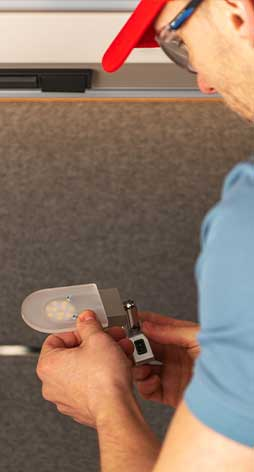
Positioned close to the ground, safety sensors detect obstacles and prevent the door from closing on objects or individuals. Weather stripping prevents air and water intrusion and closes openings, while the frame supports the door structure. Each part must function harmoniously to guarantee the garage door operates safely and efficiently.
Signals Your Garage Door Needs Expert Repair
Discovering clues that a overhead door requires competent repair is essential for safeguarding safety and functionality. Unusual noises throughout operation, struggle with smooth opening and closing, and clear signs of wear are primary warnings that intervention may be obligatory. Rapid response regarding these matters can prevent escalating complications and pledge unwavering performance.
Strange Noises During Operation
When a garage door starts to release unusual audible signs while in use, it frequently signals mechanical concerns that need expert help. Sounds like grinding, squeaking, or rattling commonly suggest issues with the motor, springs, or rollers. For instance, a scraping noise might indicate the rollers relevant information are functioning poorly, and squeaking may show a lubrication issue. Also, a clattering noise can mean hardware or components are loose and require tightening. Not addressing these noises may cause more significant damage and expensive repairs. Homeowners should not attempt to diagnose or fix these problems independently, as improper handling can exacerbate the problem. Getting professional assistance ensures the garage door functions safely and efficiently.
Door Doesn't Open Easily
Strange sounds may regularly accompany other signals that suggest a garage door needs expert service. A garage door that fails to open smoothly can be a significant issue, hinting at underlying troubles such as shifted tracks, aged rollers, or faulty springs. Homeowners may notice stuttering motions or a full refusal to open, which can be frustrating and unwelcome. Such deviations not only reduce the door's operational capacity but also create safety threats. Additionally, if the door hesitates or has trouble during operation, it may indicate that immediate attention is required. Ignoring these symptoms can precipitate more severe damage and exorbitant repairs. Getting expert guidance assures a exhaustive diagnosis and rapid resolution, bringing back the door's smooth operation and assuring safety.
Visible Damage or Dents
Observable impairment or deformations on a garage door can signal the need for qualified repair. Such imperfections can develop due to various causes, including environmental impacts, accidental impacts, or progressive wear. Not only do these dents diminish the appeal of a home, but they can also compromise the door's reliability and protection. For instance, a dent may shift the door, producing operational issues or even making vulnerable the garage to intrusion risks. Homeowners should assess the degree of the impairment; small dents might be repairable with self-help options, while major damage often calls for professional support. Neglecting visible damage could lead to additional complications, making timely maintenance critical for protecting both safety and curb appeal.
Steps to Determine the Best Garage Door Service Provider
Picking the correct garage door service provider can considerably determine the longevity and operation of a door setup. To reach the right choice, individuals should begin by researching local providers, focusing on their credibility and testimonials. A reliable contractor often showcases good reviews and testimonials, showing a history of pleased customers.
Next, it is important to confirm the company's credentials, including licensing and insurance. This step guarantees that the company adheres to industry standards and is safeguarded from potential liabilities. Additionally, obtaining multiple quotes can help gauge pricing structures, allowing comparisons between services offered.
Additionally, evaluating the range of solutions—such as maintenance work, placements, and maintenance—is vital. An ideal provider should deliver a comprehensive range of alternatives tailored to address various needs. Finally, examine the company's experience; a well-established organization generally possesses valuable expertise in handling diverse issues efficiently.
Details to Understand During Garage Door Maintenance or Installation
During a garage door repair or fitting, property owners can usually expect a systematic method from the repairman. Initially, the specialist will inspect the current condition of the garage door, identifying any issues or required upgrades. This evaluation often includes checking the door's hardware, tracks, and opener operation.
When the assessment is complete, the technician will explain the needed repairs or installation method, covering expected timelines and rates. Homeowners should obtain a detailed estimate before any work starts.
In the course of service or assembly, the technician will use dedicated tools and gear to guarantee safeguarding and superior results. Homeowners are encouraged to pose questions and relay any apprehensions throughout the process. Upon the job is finished, the technician routinely tests the door to confirm proper operation and may provide maintenance tips to extend the door's useful life. Overall, direct engagement and expert conduct are key elements of the service experience.
Commonly Requested Concerns
What is the Time Frame of a Typical Garage Door Installation?
A regular garage door placement typically takes roughly four to six hours. Variables such as the style of door, existing hardware, and complexity of the installation can determine the overall time required for conclusion.
Do garage door offerings come with warranties?
Yes, many garage door companies offer warranties that cover components and labor, usually lasting one to several years. It's important for homeowners to examine coverage information prior to service to verify adequate coverage and protection.
Am I able to set up a garage door without professional help?
Yes, one can install a garage door on their own, as long as they have the necessary tools and skills. However, they should consider possible dangers and issues, as expert setup often guarantees correct operation and protection plans.
How Much Do Garage Door Repairs Price?
The cost of garage door services typically ranges from $100 to $500, depending on the complexity of the issue. Elements affecting cost encompass parts needed, labor rates, and whether the door requires adjustments or complete replacement.
How Can I Enhance My Garage Door's Security?
To upgrade garage door security, one might install deadbolts, security cameras, motion sensors, and smart locks. Regular servicing, including checking for vulnerabilities, also helps ensure the door remains protected against potential break-ins.